A nature-identical flavour is a flavouring substance obtained by chemical synthesis or chemical processing that is molecularly identical to one occurring naturally in food. The classic example is vanillin, the main aroma compound of vanilla: most vanillin used in food is made from other raw materials, yet it is the same molecule as the one in vanilla pods.
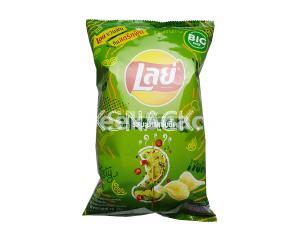
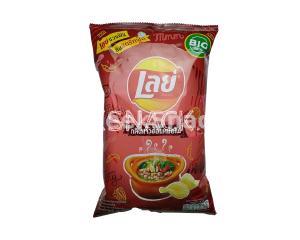
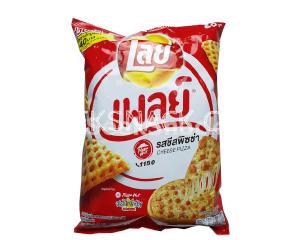
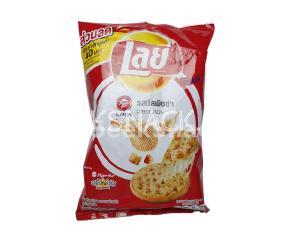
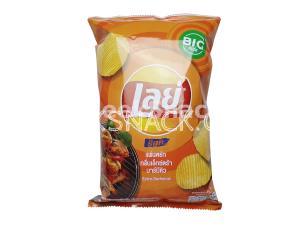
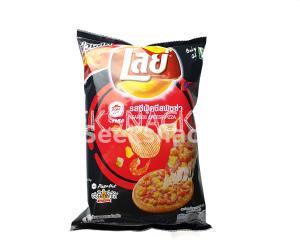
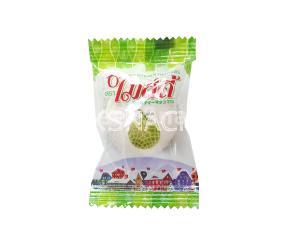
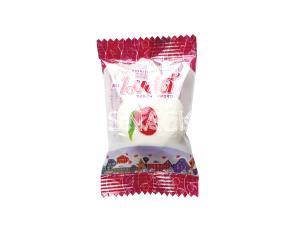
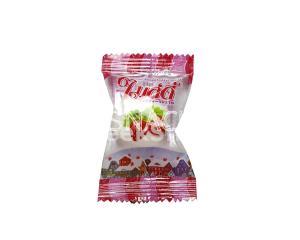
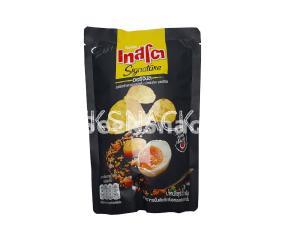
The term sits between “natural flavour”, which must come from natural sources by physical, enzymatic or fermentation processes, and “artificial flavour”, which may have no counterpart in nature. Thai labels still use all three categories, which is why so many Thai snacks, from Lay’s chips to Mildy Marshmallow Filled With Strawberry, state nature-identical flavour on the pack. The EU dropped the separate category in its 2008 flavourings regulation, and its labels now simply say “flavouring”.
Nature-identical flavours give a consistent taste at lower cost than natural extracts. Like other flavourings, they are used in very small amounts and must be permitted for food use.