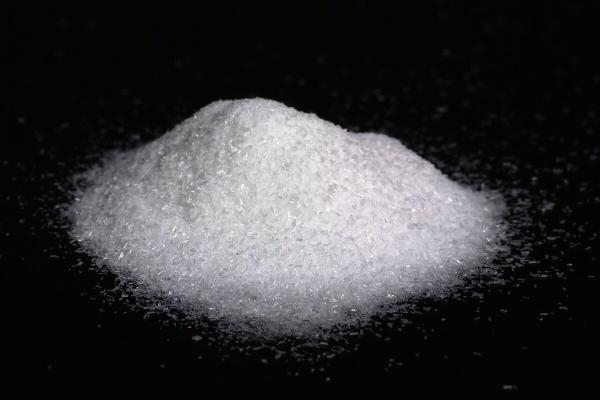
Monosodium glutamate (MSG) is the sodium salt of glutamic acid, an amino acid found naturally in foods such as tomatoes, cheese, mushrooms, seaweed and fish sauce. The Japanese chemist Kikunae Ikeda identified glutamate as the source of the savoury taste of kombu seaweed in 1908 and named that taste umami. Today MSG is made by fermenting starch or sugar, from sources such as tapioca, sugarcane or corn, with bacteria and then crystallising the result.
As a flavour enhancer (INS 621, E621), MSG makes savoury flavours taste fuller and rounder. It works especially well together with disodium inosinate and guanylate, the “ribonucleotides” often listed next to it on chips such as Lay’s Stax Sour Cream & Onion and on the Carada rice balls.
MSG has been evaluated by the FAO/WHO expert committee JECFA, which did not set a numerical limit for daily intake (“ADI not specified”), and it is permitted in foods around the world.