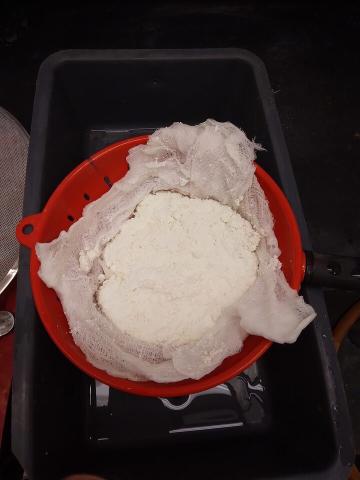
Milk protein is the protein part of milk, separated from most of the fat and lactose. Cow’s milk protein is roughly 80% casein and 20% whey protein. Food makers use it as concentrates and isolates or as caseinates: casein treated with an alkali such as sodium hydroxide so that it dissolves in water, which gives sodium caseinate.
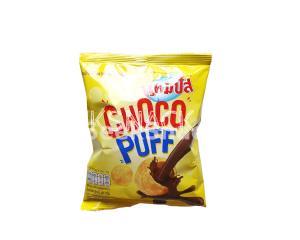
Small amounts do useful technical work. Caseinates bind water and fat, help emulsify fillings and batters, stabilise foams and support browning. The Campus Choco Puff lists “Sodium Caseinate (Milk Protein)” at 0.1%, a typical level for this kind of role.
Milk protein is the part of milk that triggers milk allergy, so it matters even when a product contains little or no lactose. Caseinates even turn up in some products described as non-dairy, such as certain coffee whiteners.
_Precipitation.jpg)