Acidity Regulator

Acidity regulators control how sour or alkaline a snack is; in seasonings they are often citric acid, malic acid or sodium acetate.

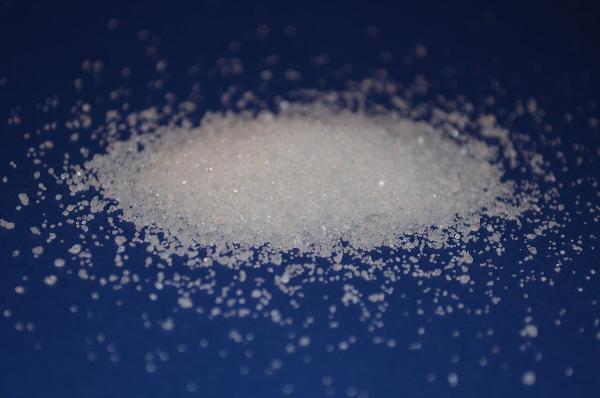
Citric acid crystals, a common acidity regulator
Citric acid crystals, a common acidity regulator Image: Renate90, CC BY-SA 3.0, via Wikimedia Commons

An acidity regulator is a food additive that controls the acidity or alkalinity (the pH) of a food. Some are acids that add a sharp, tangy note; others are salts or bases that soften sourness or keep the pH steady while the product is made and stored. A stable pH also helps colours, flavours and texture hold up on the shelf.

On snack labels the function name is usually followed by INS numbers. Common ones are citric acid (INS 330), malic acid (INS 296), acetic acid (INS 260) and sodium acetate (INS 262(i)), which give a fruity or vinegar-like sourness, plus salts such as calcium lactate (INS 327) and sodium hydrogen carbonate (INS 500(ii)).

Seasoned chips use them most. The Lay’s cheese pizza flavours list several at once, while Taokaenoi - Crispy Seaweed Big Sheet Cheese Flavour uses malic acid alone.
Sharing this

Related product of Ingredient

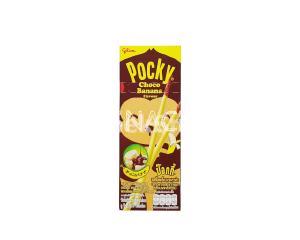
Pocky Biscuit Sticks - Choco Banana

Perfect combine between smooth banana-flavoured cream coated on chocolate biscuit stick.
Read More…

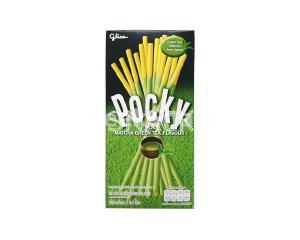
Pocky Matcha green tea (Thailand)

The matcha coating is perfect, The smell of Matcha Green Tea very clearly, It tastes like a more bitter green tea with of sweetness.
Read More…

Comments

Thanks for your comment! It will be shown on the site once it has been approved.Sorry, there was an error with your submission. Please make sure all required fields have been completed and try again.
Reviews
Tasty Taste
Smell
Quantity
Package
Optional
Sweet
Sour
Salty
Bitter
Savory
Crispy
Chewy
Juicy
Spicy